History shows the bar to disrupt AI is surprisingly high, says Bank of America
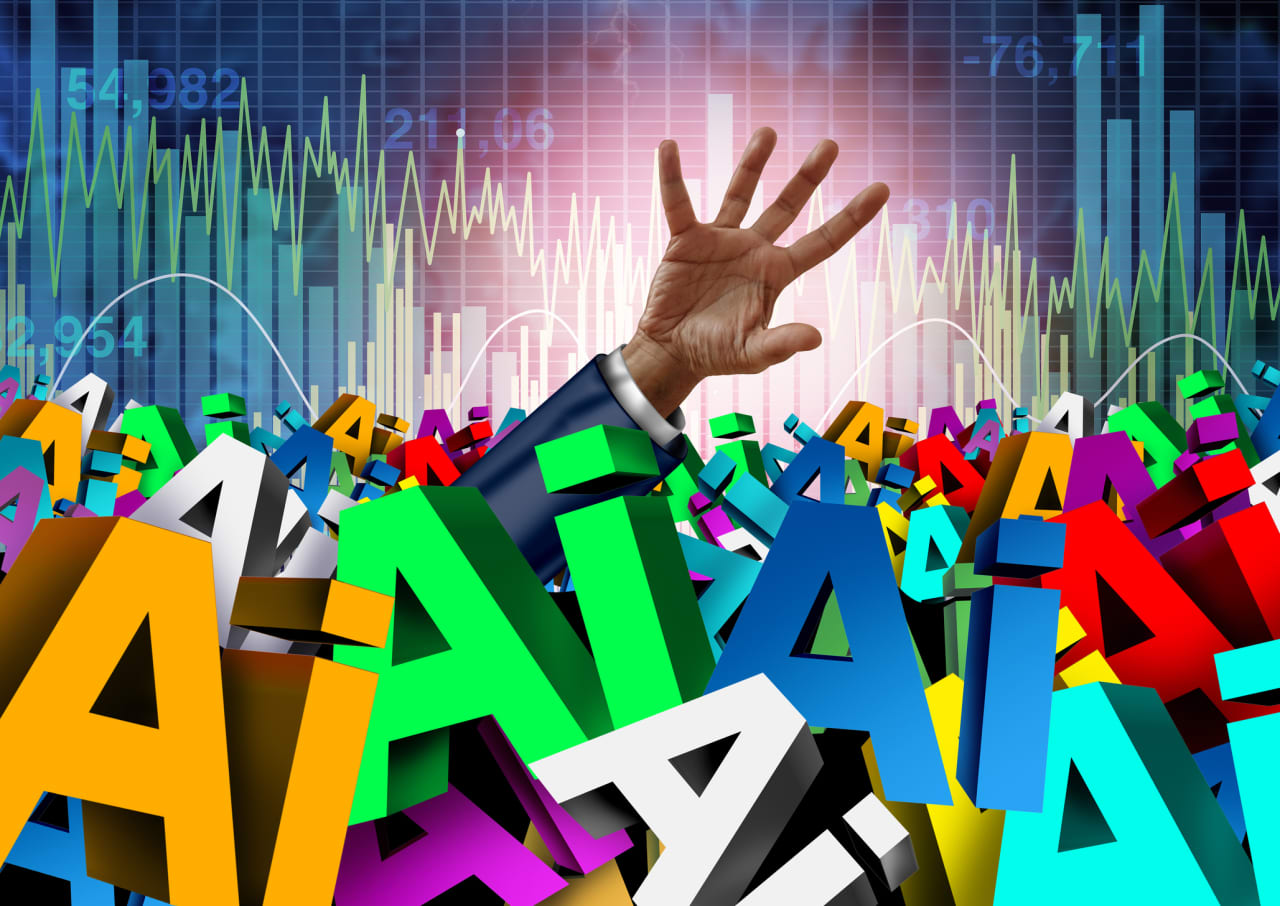
Bank of America argues that equity markets can withstand more severe bond market shocks than those witnessed so far in 2026 and that volatility may be better guide to risk than Treasury yields at present.
Bank of America's recent commentary on the AI disruption front suggests that history indicates a high barrier to entry for significant changes in the market. This perspective is noteworthy, especially when considering the current bond market dynamics. The assertion that equity markets can absorb more substantial bond market shocks than those seen in 2026 implies a level of resilience that might be attributed to various market and economic factors.
The discussion around volatility being a better guide to risk than Treasury yields at present is particularly relevant. In times of economic uncertainty or when traditional indicators may not fully capture the market's risk profile, volatility can serve as a more sensitive and timely metric. This is especially pertinent in the bond market, where shifts in yields and volatility can have far-reaching implications for both domestic and international investors. The bond market's role as a gauge for broader economic health and risk sentiment means that any changes in how risk is assessed and managed can have significant consequences.
Looking ahead, it's crucial to monitor how bond market volatility evolves and whether it continues to serve as a reliable risk indicator. Additionally, the potential for AI to disrupt traditional market dynamics, despite the high historical barriers to such disruptions, remains an area of interest. Investors and market participants should keep a close eye on both the development of AI technologies and their potential applications and impacts on financial markets, as well as any shifts in monetary policy or economic indicators that could influence bond yields and volatility.
Originally reported by marketwatch.com. BondNews adds analysis for finance & markets readers.