The richest 20% are buying most of the new cars sold in the U.S.
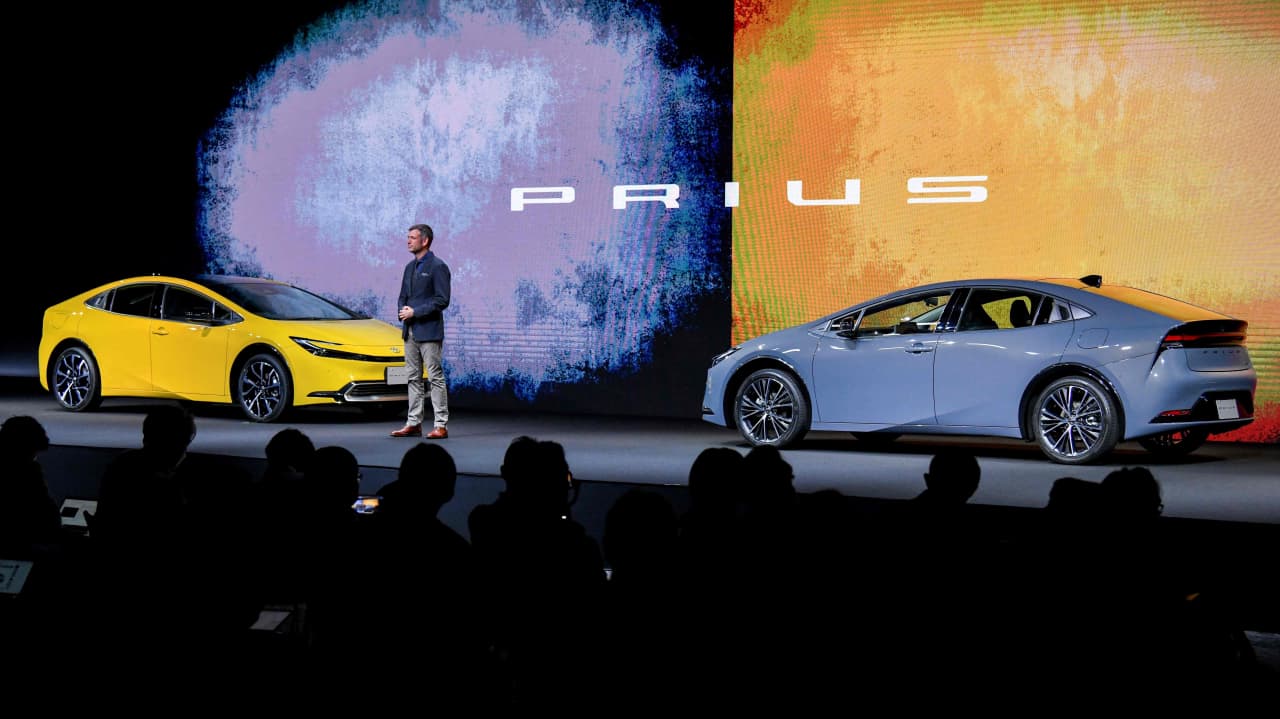
The AI-fueled bull market in stocks has shifted U.S. car sales into a higher gear — and the richest Americans are doing most of the buying.
The fact that the richest 20% of Americans are buying most of the new cars sold in the U.S. has significant implications for the bond market. This trend suggests that the wealth gap in the country is continuing to grow, with the affluent segment of the population benefiting from the recent stock market gains. As a result, these high-income individuals are more likely to have the disposable income to purchase new vehicles, driving up demand and sales in the automotive sector.
The bond market may be impacted by this trend as it could lead to increased borrowing by automotive companies to meet the growing demand for new cars. Additionally, the wealth effect from the stock market gains could also lead to increased consumer spending, which could have a positive impact on the overall economy. However, it also raises concerns about the sustainability of this trend, as it is largely driven by the wealthy segment of the population, and may not be reflective of the broader economic reality.
As bond investors, it is essential to keep an eye on the automotive sector's borrowing activities and the overall consumer spending trends. The impact of the wealth gap on the bond market will be crucial to watch, as it could lead to increased issuance of automotive debt, which could affect yields and credit spreads. Furthermore, the potential for a downturn in the stock market could also impact the automotive sector, leading to a decrease in demand for new cars and potentially affecting the creditworthiness of automotive companies.
Originally reported by marketwatch.com. BondNews adds analysis for finance & markets readers.